28 November 2026
How to Choose the Right ATV Quad Bike for Desert Riding in Dubai
Presented by @myatvquadbikedubaiexpert
Choosing an ATV for desert riding is less about picking the biggest machine and more about matching the bike to the rider, the terrain and the kind of ride planned. Dubai desert conditions can change quickly. Soft sand, firm tracks, slopes and crowded starting areas all call for different skills and different machine characteristics. A careful choice makes the ride calmer, safer and more enjoyable from the first minute to the last.
Start by being honest about experience. A first timer should not choose a high powered quad simply because it looks impressive on flat ground. Power can feel manageable on a straight track, then become harder to control on a sand dune or when the surface drops away. New riders usually do better with a smaller, predictable machine that responds smoothly to throttle and steering. Riders with more time on quad bikes can handle stronger acceleration, but they still need a bike that feels balanced rather than one that pulls sharply at low speed.
Once experience is clear, think about the rider's size and posture. An ATV should allow the rider to sit upright, keep both feet planted and reach the controls without stretching. If the machine is too small, the rider may feel cramped and tire quickly. If it is too large, the bike can feel heavy in turns and awkward in soft sand. Pay attention to seat height, handlebar reach and the space around the knees. This matters even more when the ride includes dune bashing, where body position changes often and the rider needs room to shift weight smoothly.
Next, decide what type of riding matters most. Some riders want a short, gentle outing over firm desert tracks. Others want a longer ride with rolling dunes and open stretches. The best atv quad bike dubai choice depends on that purpose. A relaxed ride rewards easy handling, steady power and good low speed control. A more demanding route calls for stronger suspension, better ground clearance and a bike that stays stable when the surface is uneven. It is better to choose slightly more capability than needed than to struggle with a machine that feels out of its depth.
Match the quad bike types to the route
Quad bike types often differ in engine size, weight, suspension travel and intended use. Utility style machines tend to feel steady and practical, with a posture that suits longer riding and uneven ground. Sport style machines can be quicker and more responsive, but they may ask for sharper control from the rider. Youth or entry level quads are smaller and less forceful, which can be a sensible choice for newcomers when the route is suitable.
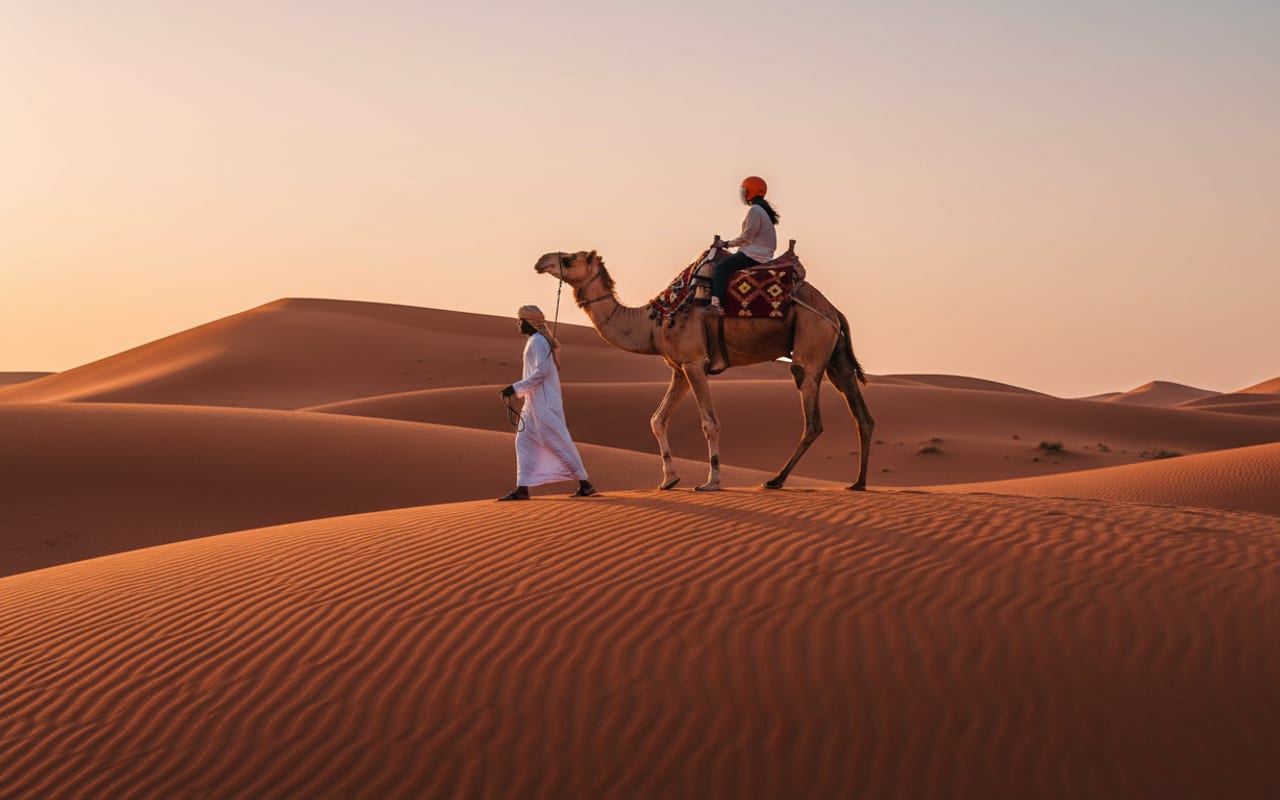
For desert terrain, suspension and clearance deserve close attention. Soft sand can make the machine sink and drag, while hidden bumps can jolt the rider if the suspension is too stiff or too basic. A bike with enough clearance is less likely to scrape underneath when crossing ridges or uneven tracks. The aim is not to find the most aggressive setup. The aim is to find a machine that stays composed when the ground changes.
Weight is another practical factor. A lighter bike can feel easier to steer in sand, especially for a smaller rider. A heavier bike may feel more planted at speed, yet it can be harder to move if it stalls or becomes stuck in soft ground. Think about the whole ride, not just the exciting parts. The right balance helps the rider stay in control during turns, climbs and slow sections.
Check control, braking and rider aids
Before choosing, look closely at how the bike is controlled. Throttle response should be smooth rather than sudden. Braking should feel predictable, with enough bite to slow down without grabbing. Steering should feel direct but not twitchy. These points matter more than a long list of impressive features, because basic control shapes every part of the ride.
Ask whether the quad has any speed limits or adjustable settings. For a guided tour, limits may be part of the route plan, especially where riders of mixed experience share the same outing. A bike that can be kept in a calmer mode may be a better fit for a beginner or a family group. For experienced riders, the absence of gentle settings does not automatically make a machine better. Control and suitability still come first.
Automatic transmission is common and can make the ride simpler, as the rider does not need to manage gears while reading the terrain. Manual machines can give more involvement, but they add another task for the rider to coordinate. In sand, where the bike can bog down or need a steady throttle, simplicity often helps. New riders should prioritise a machine that lets them focus on steering, balance and awareness.
Put safety gear into the decision
Safety gear is not an accessory to add at the end. It should be part of the choice from the start. A helmet that fits properly is essential. Gloves help with grip and protect the hands. Eye protection matters in dusty conditions, and sturdy footwear gives better control around the bike. Long trousers and a top that covers the arms can reduce scrapes and sun exposure.
Fit is as important as presence. A helmet that shifts on the head or a glove that slips can distract the rider and reduce control. If the outing includes a sand dune route, dust and loose surfaces make eye protection especially worthwhile. Riders should also be comfortable moving their arms and legs freely. Gear that restricts movement can make riding techniques harder to use, particularly when shifting weight on uneven ground.
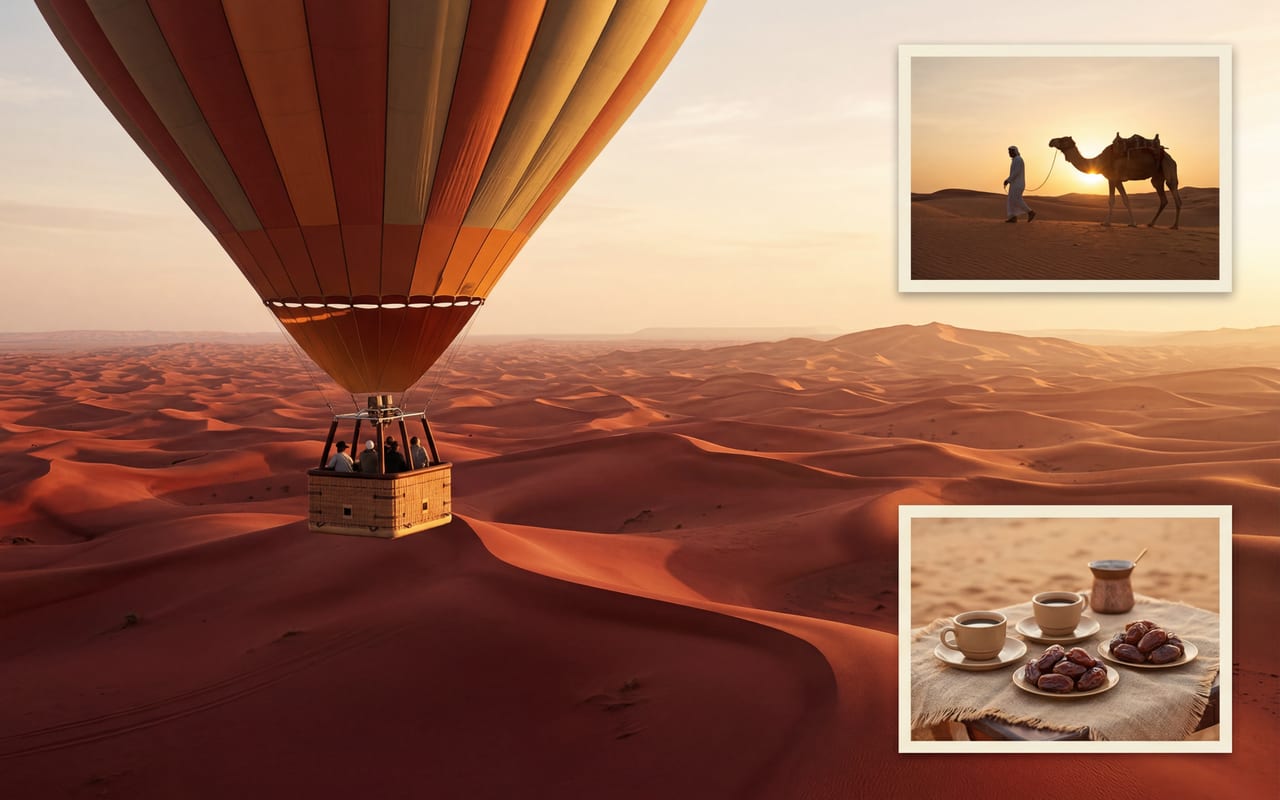
It is also sensible to ask how the ride is supervised. A guided tour can help newer riders understand pacing, hand signals and safe spacing. The value of guidance is not only the route. It is also the way mistakes can be corrected early, before they become habits. A rider who chooses a suitable bike but receives poor direction may still have a difficult outing.
Think about the route before the machine
The route should shape the choice more than appearance or engine size. Flat, firm tracks are forgiving and suit a wide range of machines. Rolling dunes require more balance and a bike that responds cleanly when traction changes. Tight turns around marked areas call for manageable steering and good low speed control. Open stretches can feel exciting, but they also require the rider to keep a safe distance and avoid sudden moves.
Desert riding rewards patience. Speed can build quickly, and sand can hide changes in grip. A rider who selects a bike with manageable power often learns faster because the machine gives clear feedback. That feedback helps with riding techniques such as looking ahead, easing into turns and keeping weight settled. A powerful bike can mask small mistakes until the moment they become serious.
Group outings need extra care. Riders should be grouped by experience and pace, not only by age or height. A fast rider on a strong bike and a beginner on a small quad may share the same start point, but they should not be expected to ride in the same way. Clear spacing reduces the risk of collision and gives everyone room to react when the surface changes.
Ask the right questions before committing
A few direct questions can prevent a poor match. Ask who the bike is intended for, what route is planned and how much rider experience the machine suits. Ask about the transmission, the general power level and whether any limits apply. If something is unclear, it is better to pause than to assume. A suitable quad should feel understandable before the ride begins, not mysterious.
Also ask what happens if a rider finds the bike too much to handle. Clear communication at the start can avoid confusion later. Riders should know whether the pace can be adjusted and whether the route has easier sections. This is especially useful for mixed groups, where confidence can vary widely. A calm decision at the beginning usually leads to a better ride than changing machines halfway through.
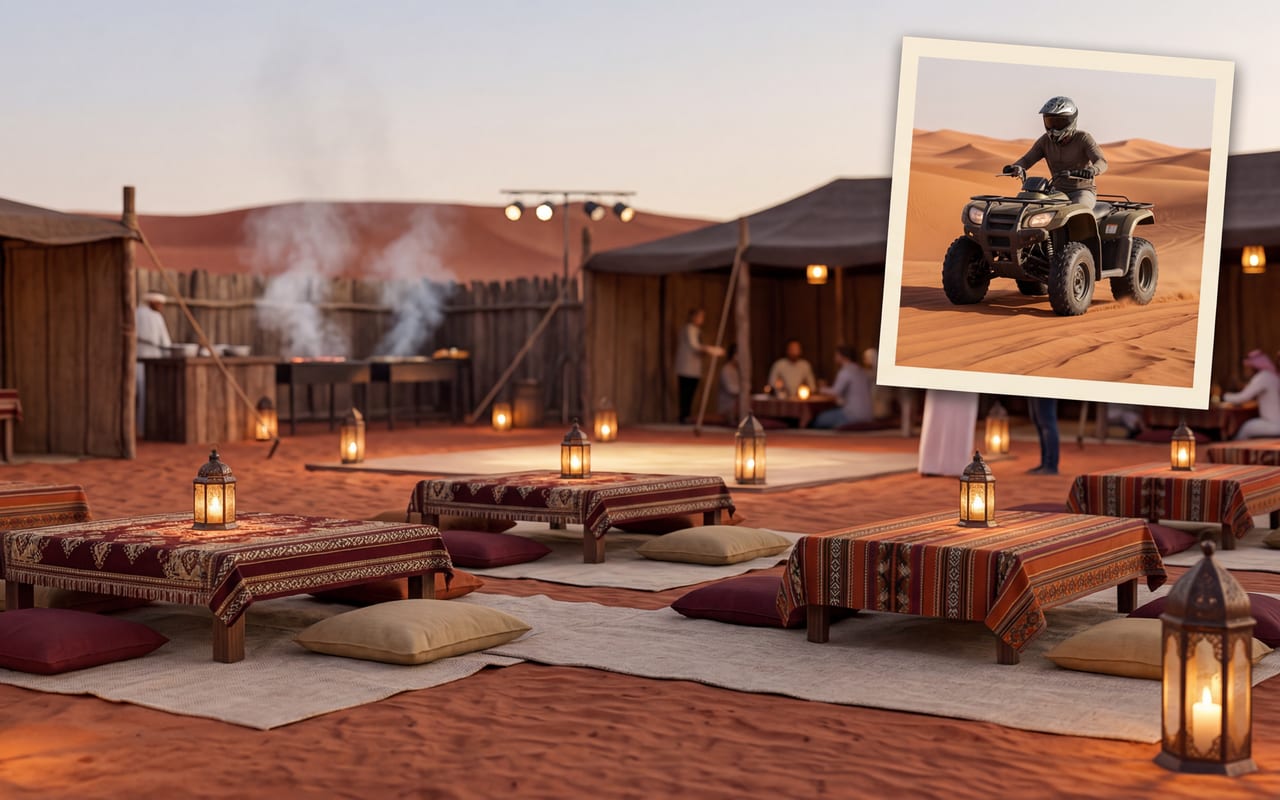
Do not judge a quad only by how it looks in photos. A clean appearance does not reveal how it responds in sand, how comfortable the riding position feels or whether the controls suit the rider. Practical observation is more useful. Notice whether the rider can sit naturally, reach the bars and hold a relaxed grip. Watch how the bike behaves at low speed and whether it seems steady over small bumps.
Make the final choice with control in mind
When comparing options, use a simple standard. The right bike should fit the rider, suit the route, offer predictable control and allow the rider to wear proper safety gear comfortably. If one option scores well on power but poorly on fit, it is not the better choice. If a machine feels easy, balanced and appropriate for the terrain, it will usually give a more rewarding ride.
Confidence should come from preparation, not from taking risks. Choose a pace that leaves room to react, keep clear distance from other riders and follow the direction given on the route. Desert riding is memorable when the machine and rider work together. A thoughtful choice helps that happen, whether the plan is a gentle first outing or a more spirited ride across open sand.